
Imagine you walk into a store, and out of the corner of your eye, you spot a handful of complimentary samples. Obviously, you sprint to try out the products. But where did this concept come from?
Sephora.
Sephora pioneered the idea of testing out products before making a purchase. Now, the company is a leading beauty chain in countries around the world, with over $10 billion in revenue annually.
With over 340 curated brands, you’ll blush at the variety of personal care and beauty products that Sephora offers. Sephora continues to build an empire that can only be attributed to its marketing strategy.
Sephora History
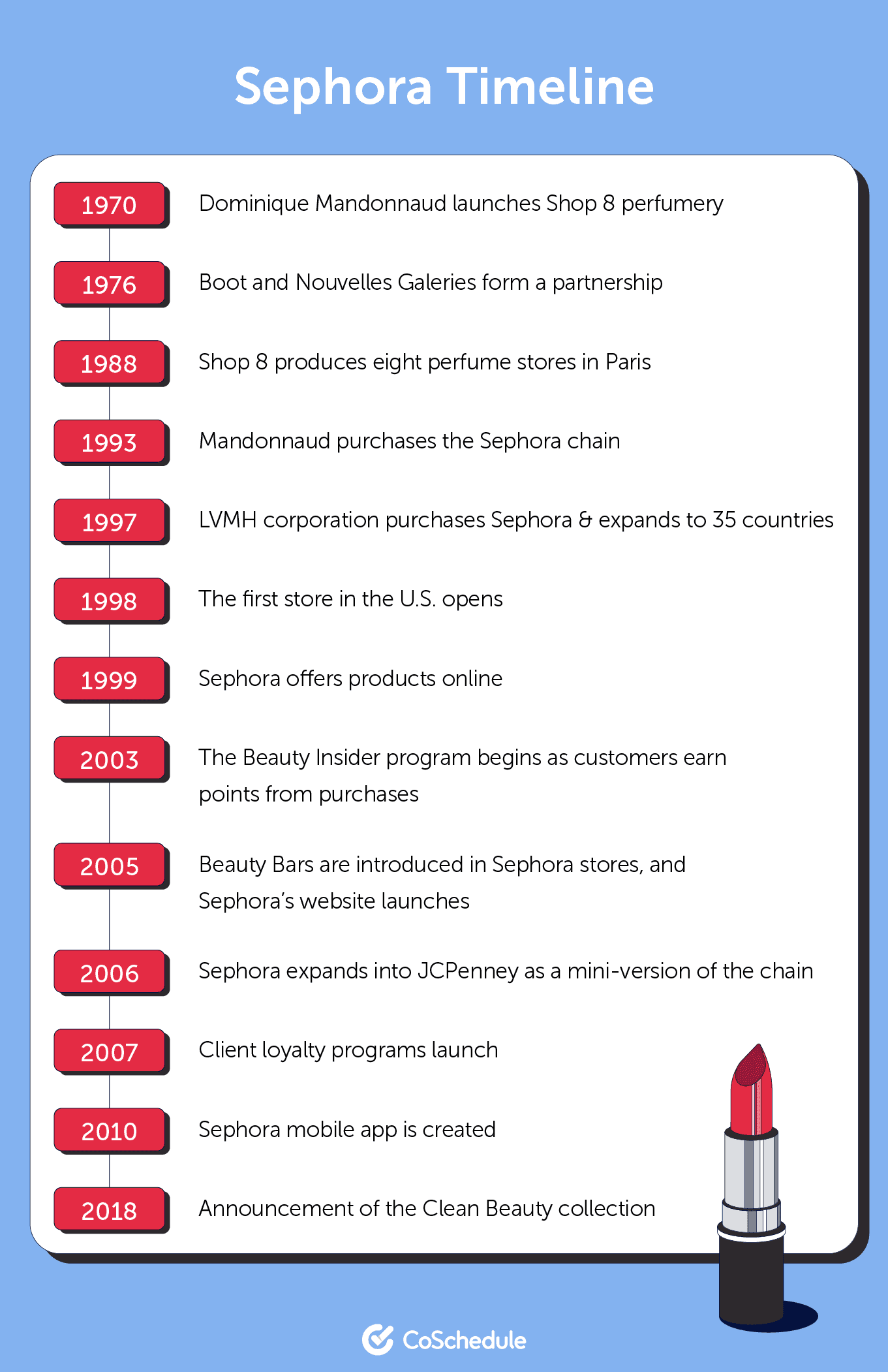
After working for years with his parents in the soaping industry, Dominique Mandonnaud found the secret to his successful business when he opened his perfume shop, Shop 8, in August 1970. Shop 8 established the concept of “try before you buy” to allow customers to test products before purchasing. This concept became the inspiration for Sephora’s strategy.
By 1979 Shop 8 had grown into 12 additional stores, but Dominique knew the only way to be successful in the cosmetic industry was through diversifying his products. In 1993, the Sephora chain was born with bath, body, and beauty products.
Sephora stores have expanded into 35 countries using the same marketing strategy developed years prior: “Try before you buy.”
Sephora Product Mix
Product
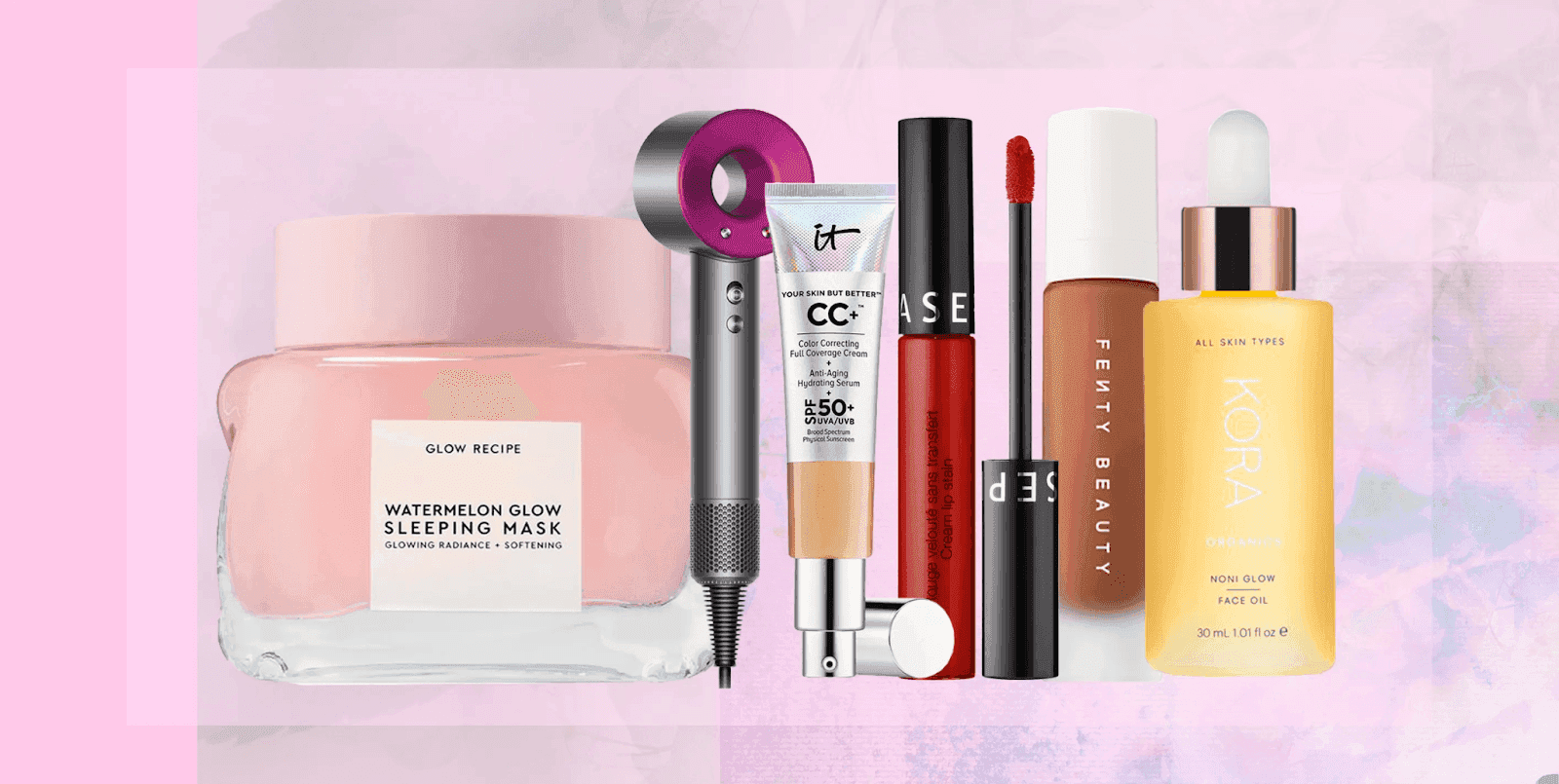
Sephora offers over 15,000 beauty products, including cosmetics, skincare, body, fragrance, nail, lotion, and hair care lines. Sephora promotes various cosmetic brands as well as their own private label.
The diverse range of products and brands drives customers to Sephora for a customizable shopping experience.
Price
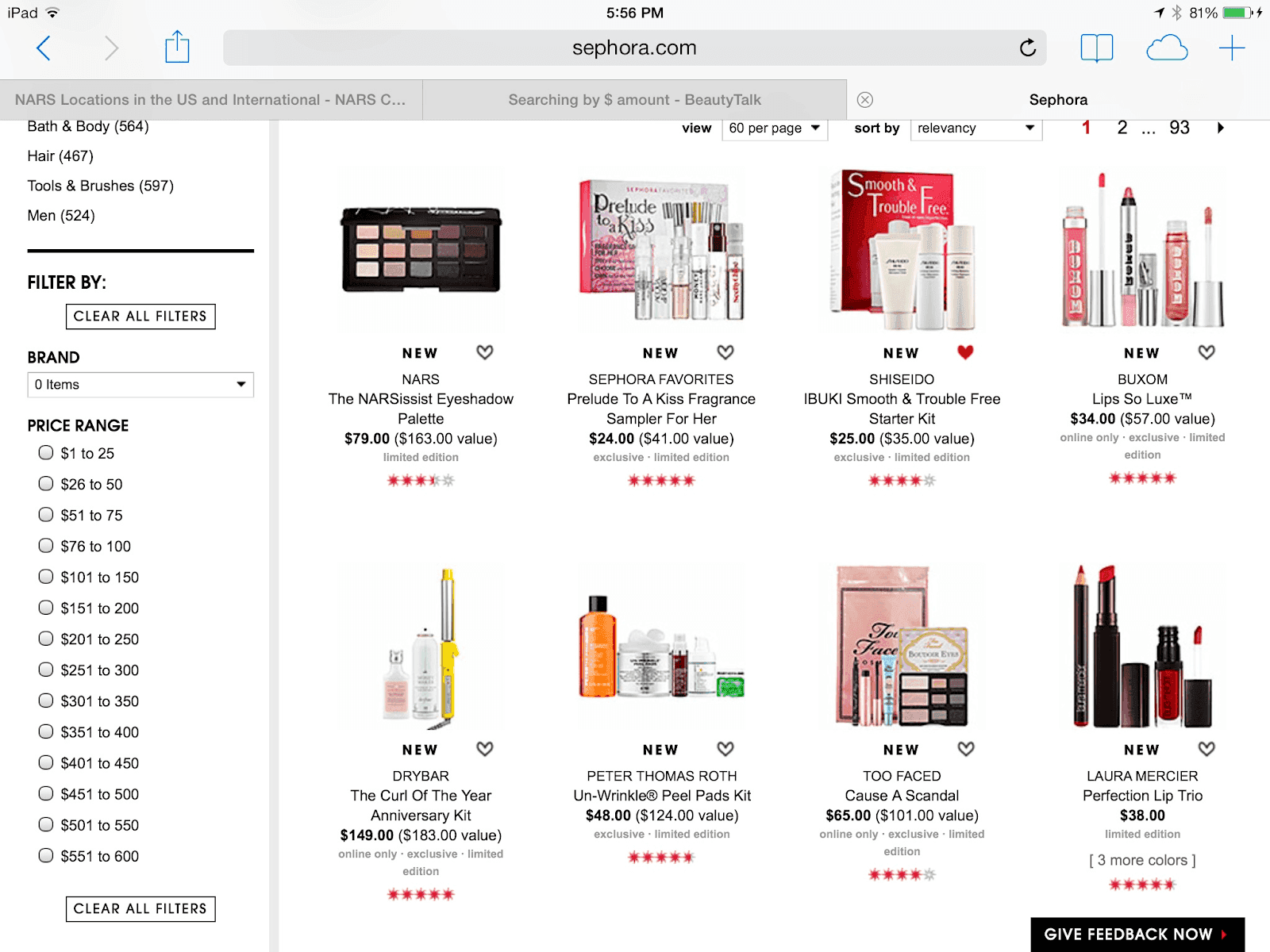
Sephora uses a demand-oriented pricing strategy based on consumers’ wants. Popular or high-quality products are set at high prices due to higher demand.
Competitive prices and deals throughout the year attract customers to Sephora. The average Sephora shopper spends $33.17 per month on beauty products.
Place
With over 2,700 stores in 35 countries, Sephora locations are widespread within stores – Kohl’s and JCPenney’s – and stand-alone locations.

Additionally, the company sells products through its website with exclusive online products.
Promotion
Sephora’s promotional strategy stems from the “try before you buy” slogan. Promotional tactics attract customers and allow consumers to experience the product first-hand.
Through influencer marketing tactics, shoppers can visualize the products’ use by people they follow and trust. In addition to this, Sephora posts tutorials, virtual try-on, and other advertisements on their website.
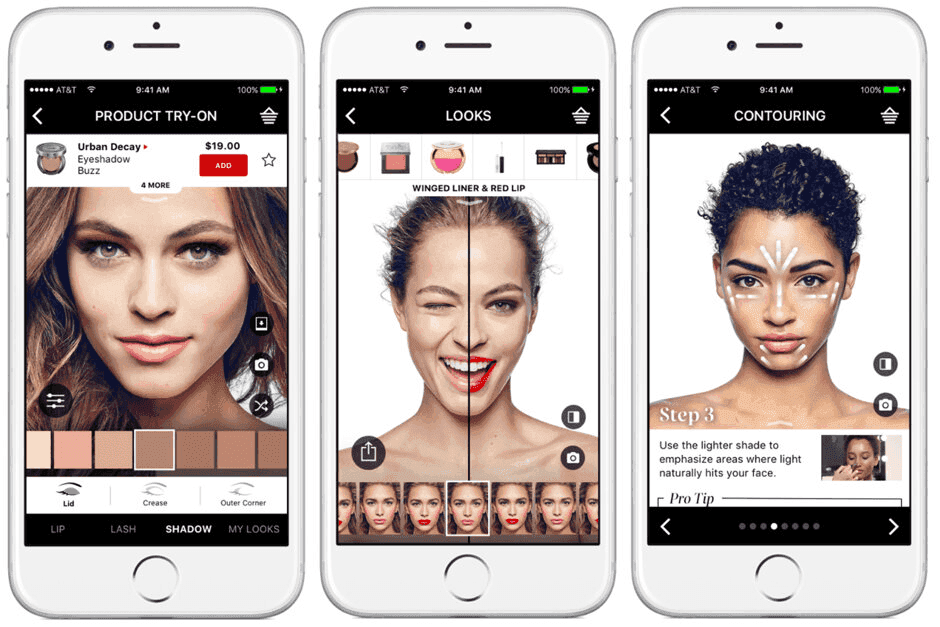
In stores, consumers can try beauty products and even get their makeup done. Sephora gives consumers a sense of the product to increase their willingness to purchase a product.
Recommended Reading: 25 Marketing Strategy Examples: Proven Methods & Tactics From Top Brands
6 Sephora Marketing Strategies To Replicate
1. Humanize Your Brand
Focus on diversity by creating inclusive campaigns for all communities. For example, be sure to represent different demographics, like age, race, ethnicity, and gender.
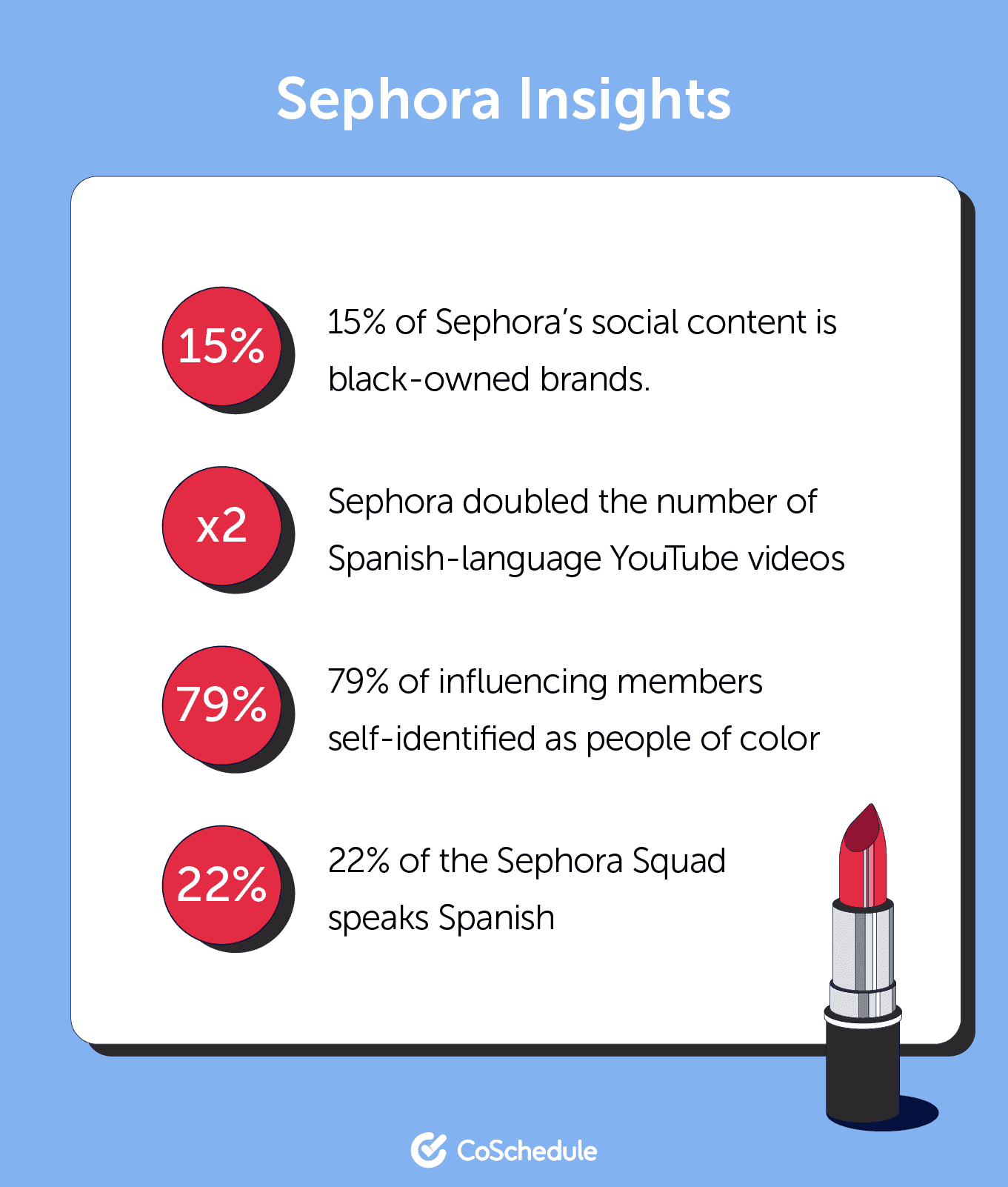
One of Sephora’s core values is inclusion. Keeping this value in mind, the brand pivots its marketing strategy to include various communities and social issues.
The “Identify as We” campaign celebrates transgender and non-binary communities to further the conversation around equality for all.
2. Promote User-Generated Content
Customers post brand-specific content – videos, images, reviews, and testimonials – to share their thoughts on the company. User-generated content builds brand awareness, fosters relationships, and facilitates lead generation.
Find Sephora’s user-generated content on Pinterest Boards, Instagram Reels, YouTube Channels, and so many more sites!
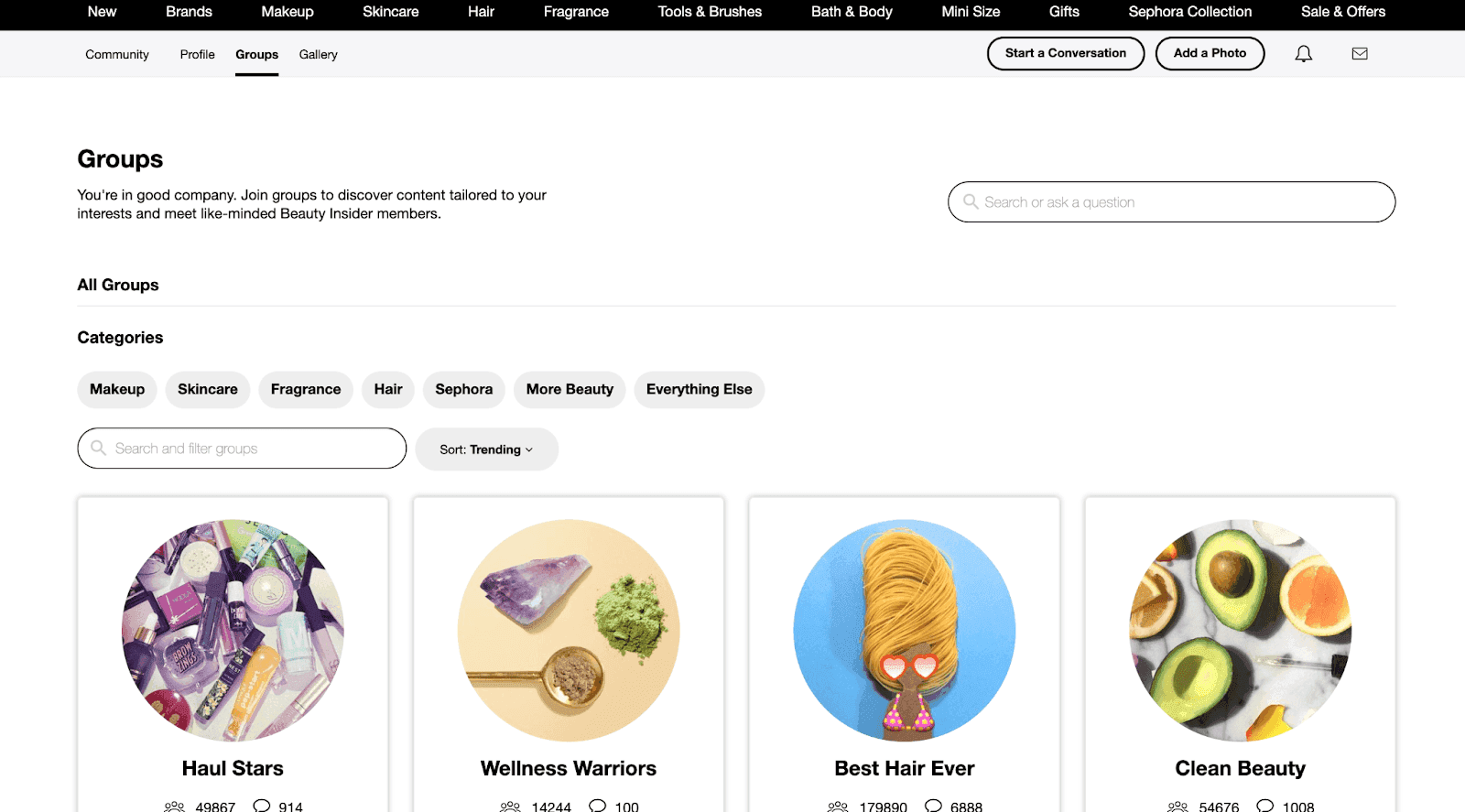
Sephora’s website also features online groups that are sorted by topic. Followers can post their thoughts and opinions on products to other like-minded members.
3. Maximize Your Hook
Does your brand have a catchphrase? A unique story? Or even a specific value? Use these to your advantage as you create campaigns. Hooks catch customers’ attention to lead them down the marketing funnel.
From Sephora’s beginning, the company has leaned on the phrase: “try before you buy.” In recent years, the company has adapted this phrase for Beauty Advisors and online try-ons.
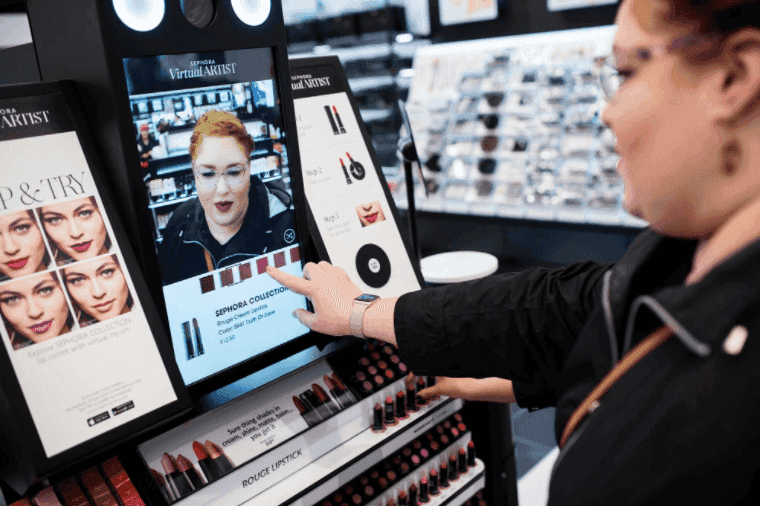
Beauty Advisors curate in-store experiences for customers to try products, identify consumers’ beauty shades, and provide makeup applications.
Check out how this Beauty Advisor virtually creates a custom shade for her customer:
4. Create A Loyalty Program
Loyalty programs allow customers to obtain incentives through purchases. These programs increase customer retention to achieve overall company growth.
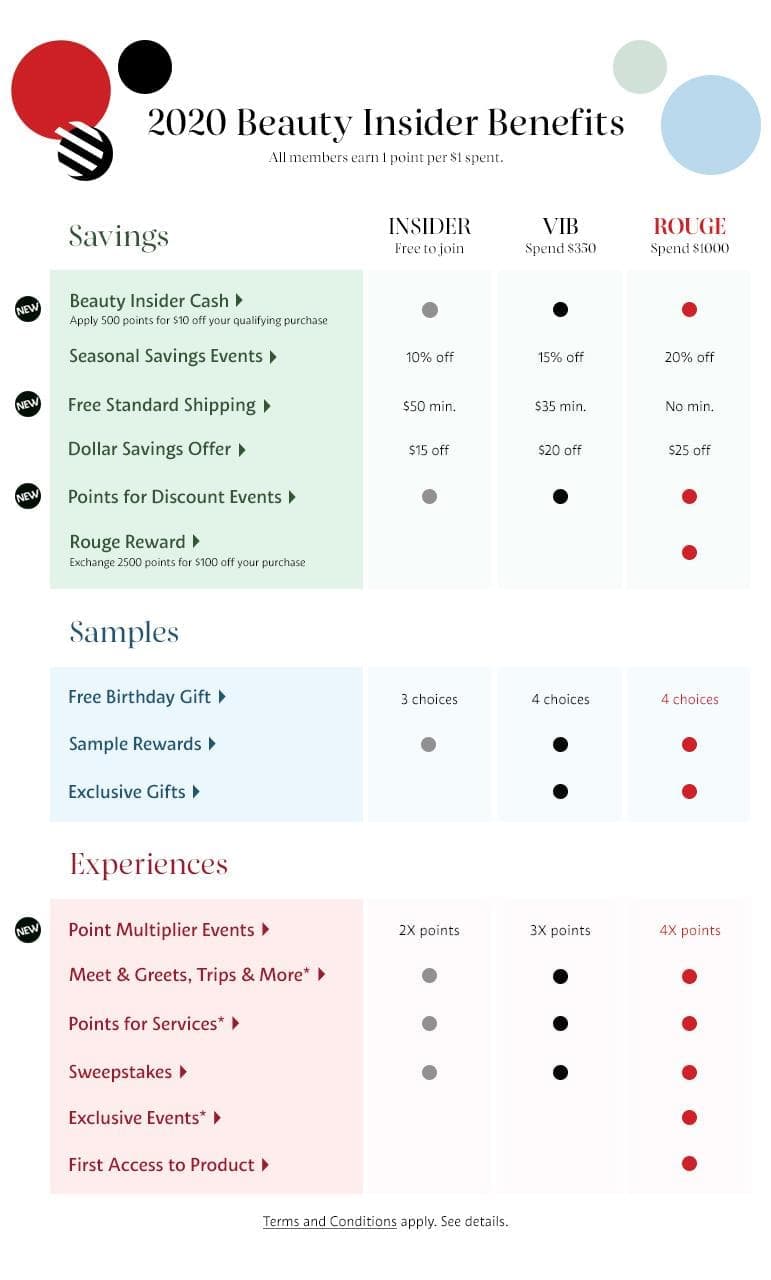
Sephora’s Beauty Insider program encourages consumers to sign up for exclusive benefits and privileges. The program is structured by a competitive tier system, with each level gaining more exclusive access.
The loyalty program drives 80% of Sephora’s sales, with over 17 million members.
5. Provide Value First
Consumers that feel well-informed about a product are more inclined to purchase from that company. Focus on education to establish a trusting relationship between customers and the company.
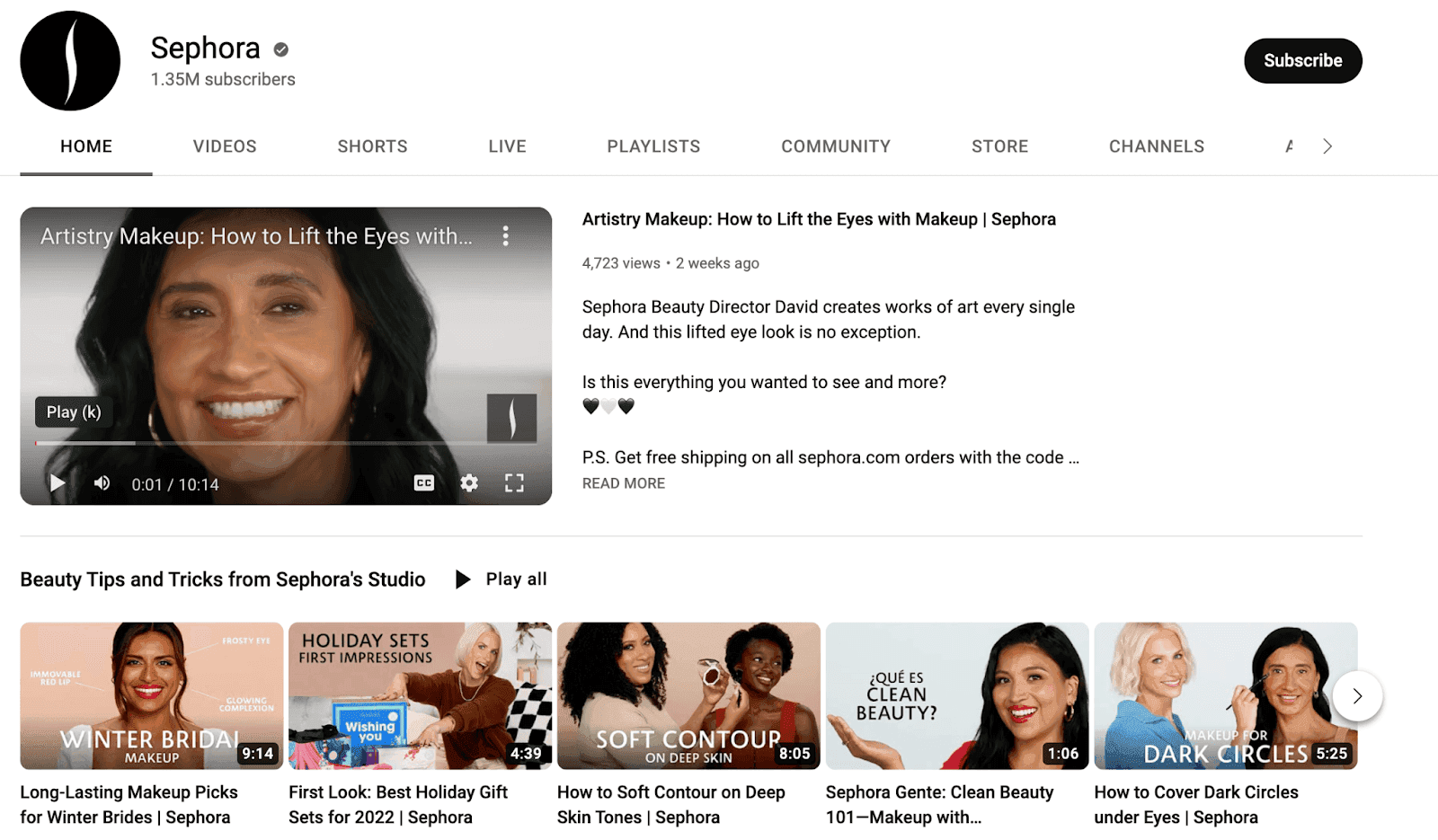
Sephora posts product guides and tutorials on YouTube, Instagram, and Pinterest for consumers to follow. In addition to this, the website offers quizzes to find the best products for you.
6. Utilize Your Omni-Channel Strategy
Omni-channels refer to a seamless customer experience between channels.
Omni-channel strategies create more touchpoints for customers to access your content. Improve the customer experience and provide more opportunities for customers to connect with your business.
Sephora’s channels – mobile app, social media, in-store contact, events, and online contact – broaden the company’s outreach.
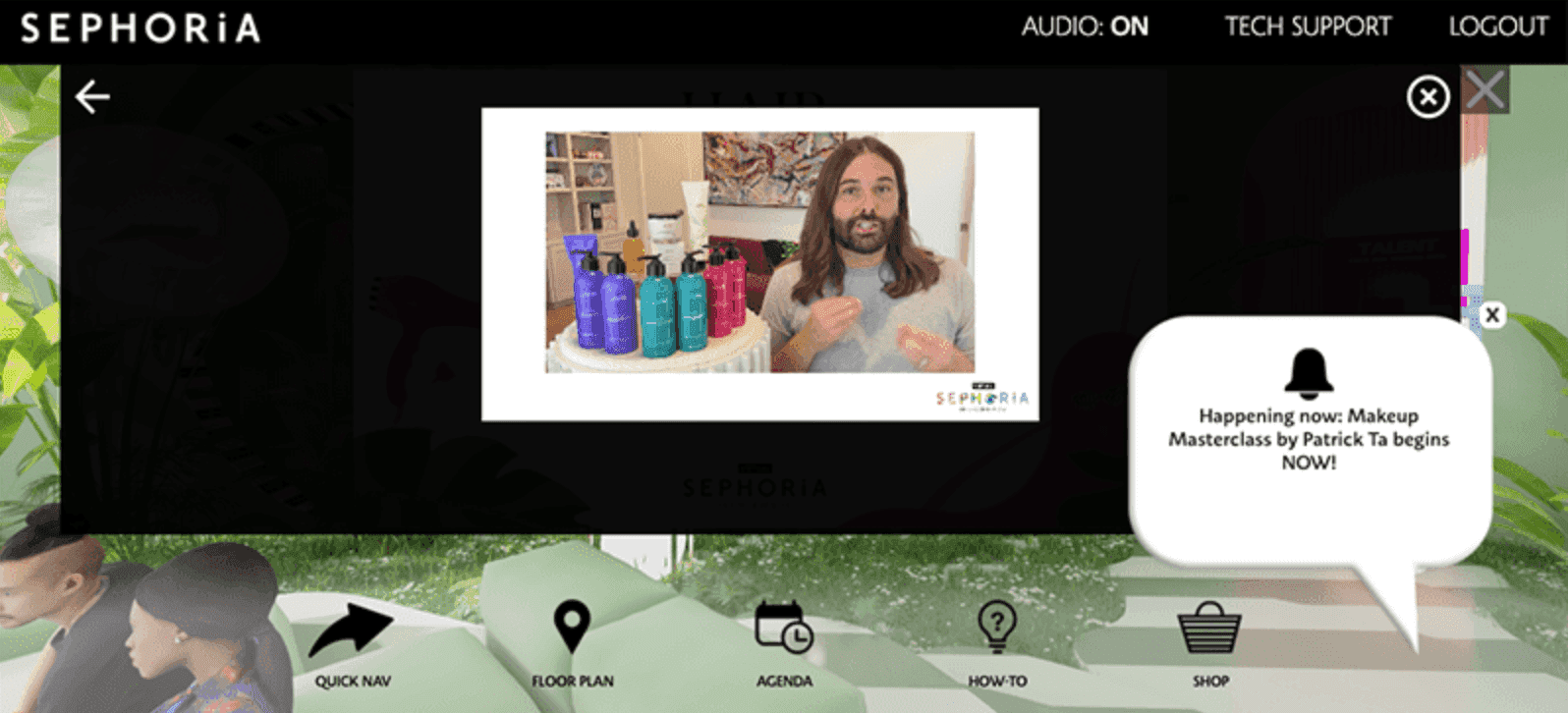
Sephoria is a convention that Sephora hosts annually to allow consumers to explore exclusive content and interact with beauty gurus. Sephoria was hosted virtually this past year, but fans still reaped the event’s benefits.