Brand Messaging Framework: The 4-Step Guide to More Productivity & Sales

Did you know that there will be 5-7 brand interactions before a consumer remembers a brand?
If you manage to drive someone to your website, a fancy logo and matching web design isn’t enough to make them remember you or purchase your product.
Branding goes deeper than visuals. The way you make your audience feel is just as important.
How can you do this for your brand, and more importantly, do it consistently across a team of marketing staff?
The answer: A brand messaging framework.
Download Your Brand Messaging Framework Templates
Make documenting your brand messaging easy with this pair of templates (Word and Excel):
What is brand messaging?
Your “brand” is the thing people think when they see you. This could be a unique logo (like Apple), or the first business that comes to mind when you think of an e-commerce giant (like Amazon).
Arguably, one of the most important things about your brand is the messaging.
Recommended Reading: How to Apply Audience Insights to Content Marketing With Rand Fishkin From SparkToro [AMP 178]
Brand messaging helps you share the mission you have and the reason behind it. It tells your team why you do what you do through a set of guidelines and helps them communicate it with others — like new hires or potential customers.
Why is it important?
Now that we know what the term “brand messaging” actually means, you might be wondering why it’s important to think of when launching marketing campaigns.
You’ve been relying on a buyer persona for so long. Why bother with official brand messaging?
Increase staff productivity
A brand messaging framework helps create everything from your USPs to sales pages. It shows the words and phrases you should be using — alongside your mission — all in one document.
A brand messaging framework helps create everything from your USPs to sales pages.
Click To TweetThis brand messaging document means there’s less back-and-forth for approval.
Let’s say you’re writing a new sales page, for example. Your copywriter does their best to write the copy based on a buyer persona.
The only problem? Your brand doesn’t come through. If someone were to read it without your logo attached, they wouldn’t recognize it was written by you.
Recommended Reading: How to Drive 150% Traffic Growth Using the GRAP Framework With Nadya Khoja From Venngage [AMP 174]
However, should that sales page writer have access to a brand messaging framework, they already have a basis to work from. They can view guidelines that already fit your brand and tell your story effectively — which means they can get it right, first time… Rather than after six rounds of editing.
Improve brand consistency
A brand messaging framework means your advertising, marketing, sales, and support teams are all on the same page.
Not only does this prevent wasting time on campaigns that don’t reflect your brand, but your staff won’t put out weak, inconsistent messaging that is confusing or off-putting to potential customers.
This is especially important if you’re working with freelancers/temporary content creators. Their style might be drastically similar to yours — which they’re totally unaware of.
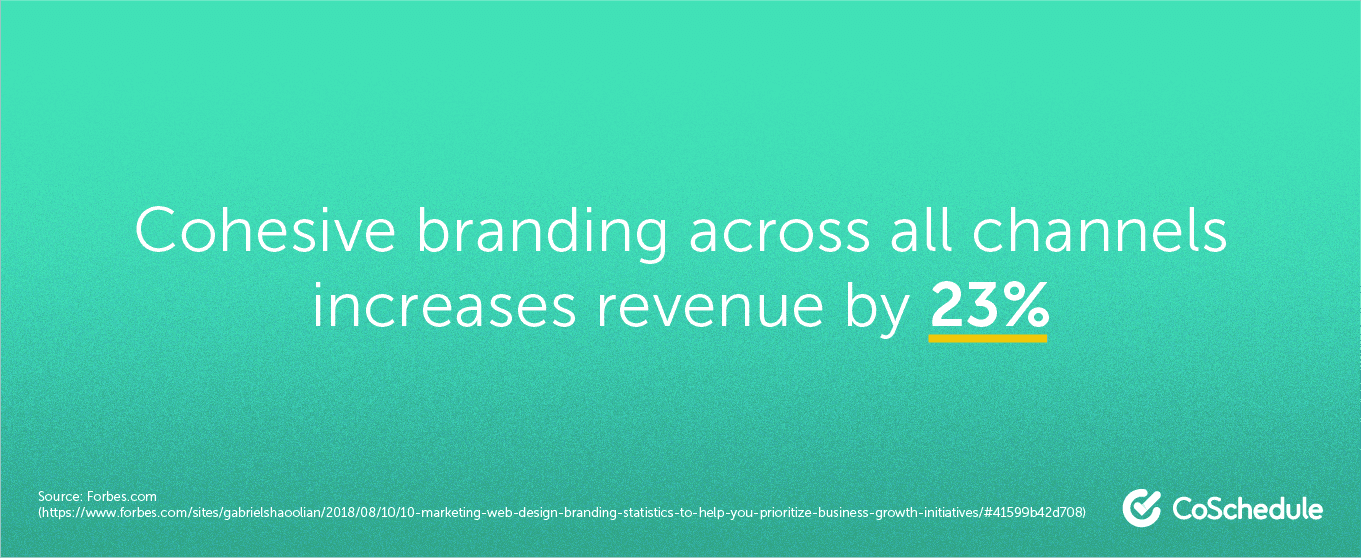
This consistency is crucial because cohesive branding across all channels increases revenue by 23%. That’s a huge reward you can achieve from a single document.
Boost revenue
A brand messaging framework conveys the emotion behind your brand. It explains the story of how you were founded, along with the reason why your product/service is important and needed.
A brand messaging framework conveys the emotion behind your brand.
Click To TweetIt’s not just the immediate impact on sales that this emotional tie has.
It has an impact on long-term growth; customers who have an emotional connection with a brand have 3x higher LTV.
A 4-step guide to creating your own brand messaging framework
You can take advantage of those benefits by creating your own brand messaging framework. Here’s how to start and what yours should include.
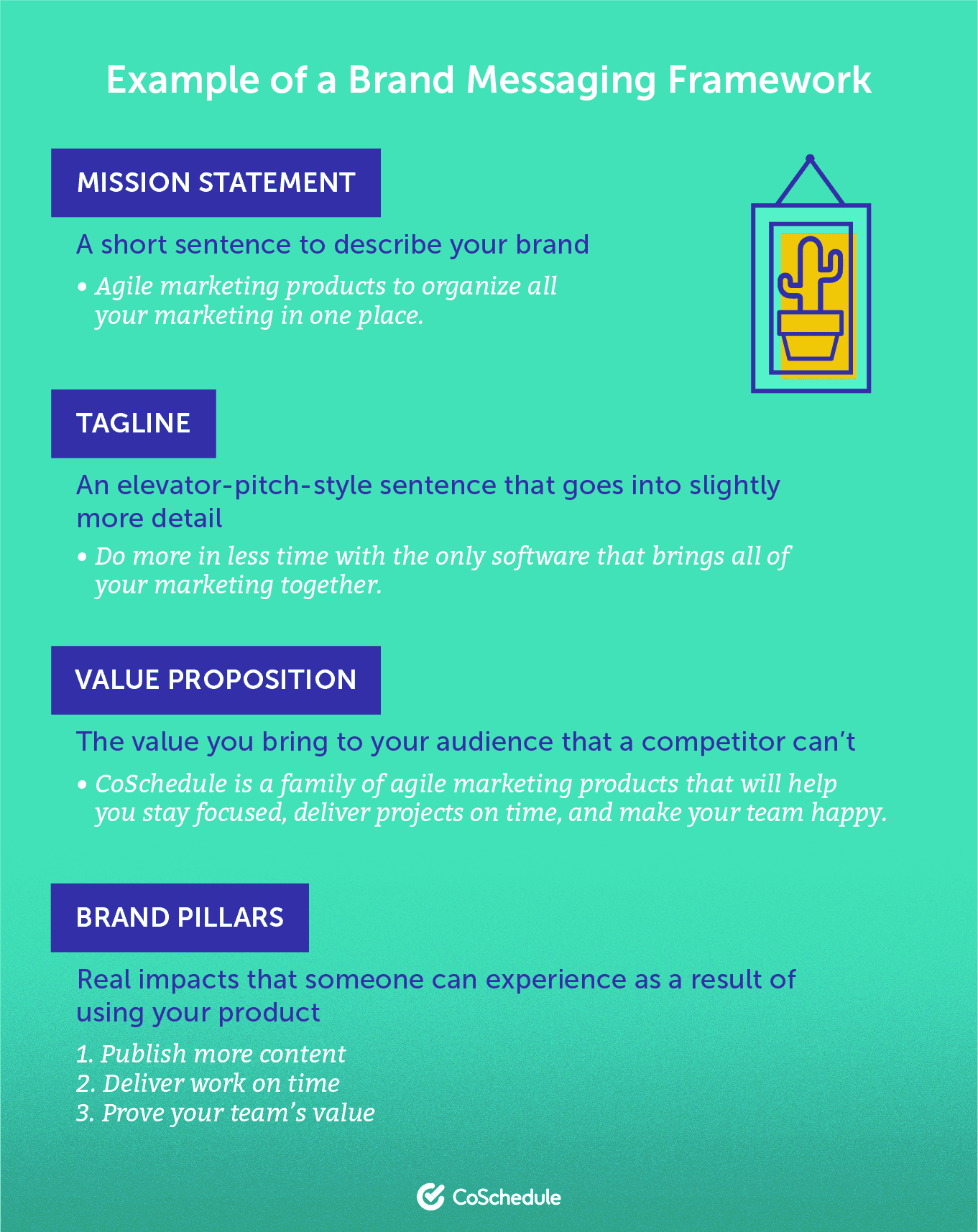
1. A company mission statement
A mission statement explains the goal of your company; the reason why you created your product/service.
It’s usually one line that’s very specific; it expresses what you do and who you are doing it for.
Take Squarespace, for example. Their mission statement is short, direct, and to the point:
“Squarespace empowers people with creative ideas to succeed." It tells people what they do, and the reason why — without the fluff.
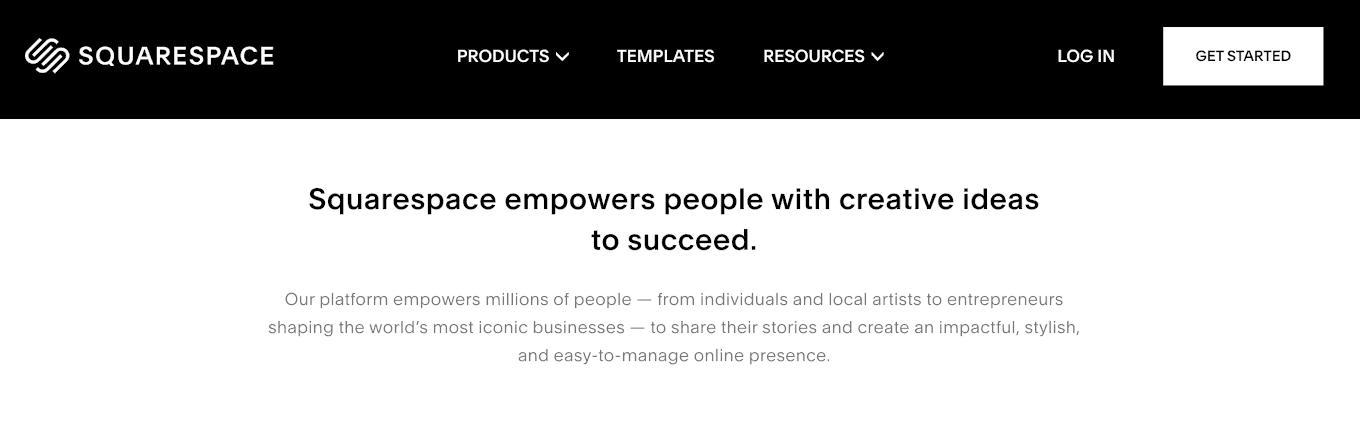
You can create your own mission statement following the same template. Think about what you do, who you help, and what you help them do. Ditch anything that doesn’t add to that.
2. A tagline that aligns with that mission statement
A mission statement is short. A tagline should explain your mission statement in more detail.
Think of it as the elevator pitch equivalent of a full brand messaging framework; it goes into slightly more detail than listing the industry you work in.
Let’s take a look at Uber’s tagline:
“Good things happen when people can move, whether across town or toward their dreams. Opportunities appear, open up, become reality. What started as a way to tap a button to get a ride has led to billions of moments of human connection as people around the world go all kinds of places in all kinds of ways with the help of our technology.”
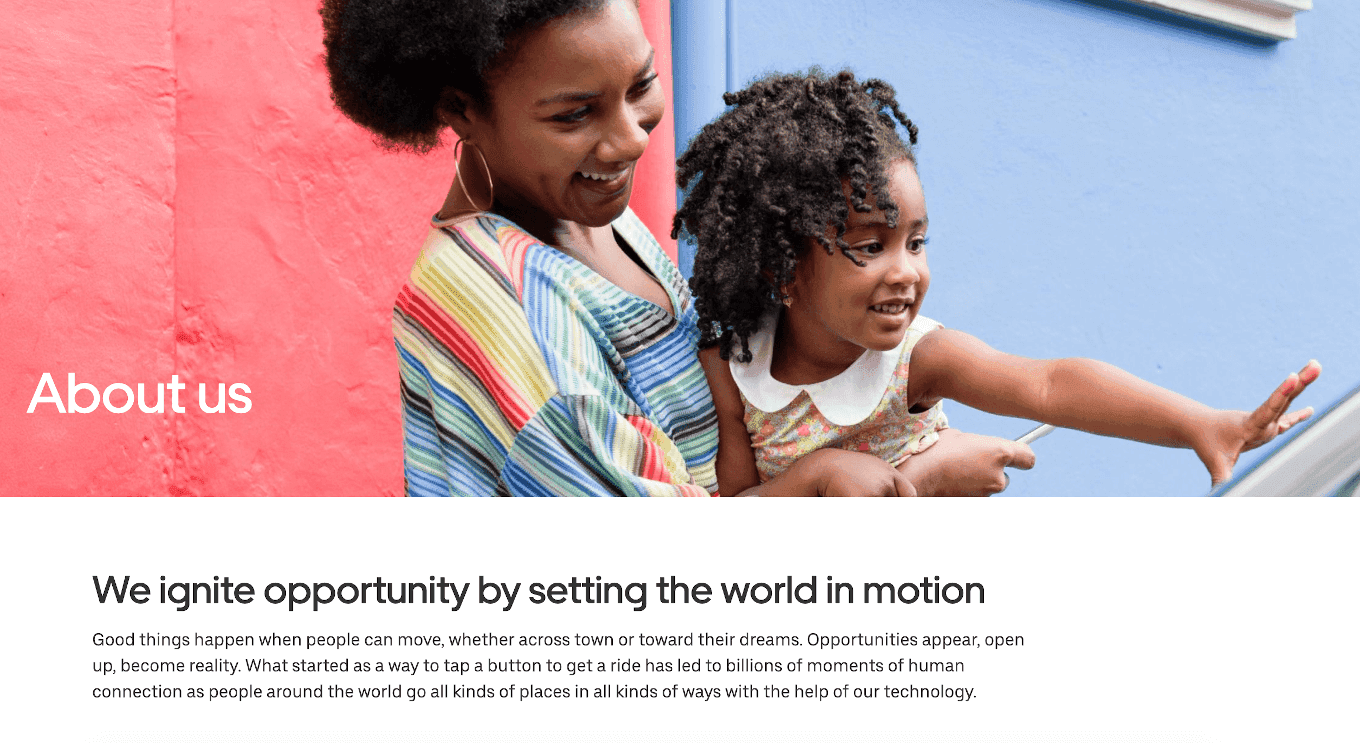
Notice how they go into depth about what they do — not just saying “we’re a taxi company”?
Your tagline needs to be specific about why you offer the product/service you’re selling. That could be anything from “we help students ace their grades and land their dream jobs,” to “we help accountants automate fiddly tasks to spend more time with their clients.”
Your company tagline needs to be specific about why you offer the product/service you’re selling.
Click To Tweet
3. A value proposition
A value proposition goes even deeper into the “why” of your mission statement.
What makes you the best company to solve that problem? What expertise do you have that makes your brand a better fit than your competitor?
Recommended Reading: Online Reputation Marketing: 7 Solid Tips for Social Media
You can dig into this by covering three areas:
- Who you help: Look at your buyer personas for this. Note they should be based on real data from sales teams, customer feedback, and analytics — not guesses. Who did you create the product for? Who benefits the most from your product? Try to be as specific as possible — like “creators” in Squarespace’s example.
- What you help them with: What does your product/service do, beyond the actual names of your features? Just like Uber didn’t name themselves a taxi company, TransferWise is a bank, but their mission statement is, “We’re powering money for people and businesses: to pay, to get paid, to spend, in any currency, wherever you are, whatever you’re doing.”
- Why you help them: What makes you qualified to help them? Why do you want to do this? Why does your product/service help someone? Again, think beyond features and tap into real-life pain points.YouTube is a great, simplistic example: “Our mission is to give everyone a voice and to show them the world.”
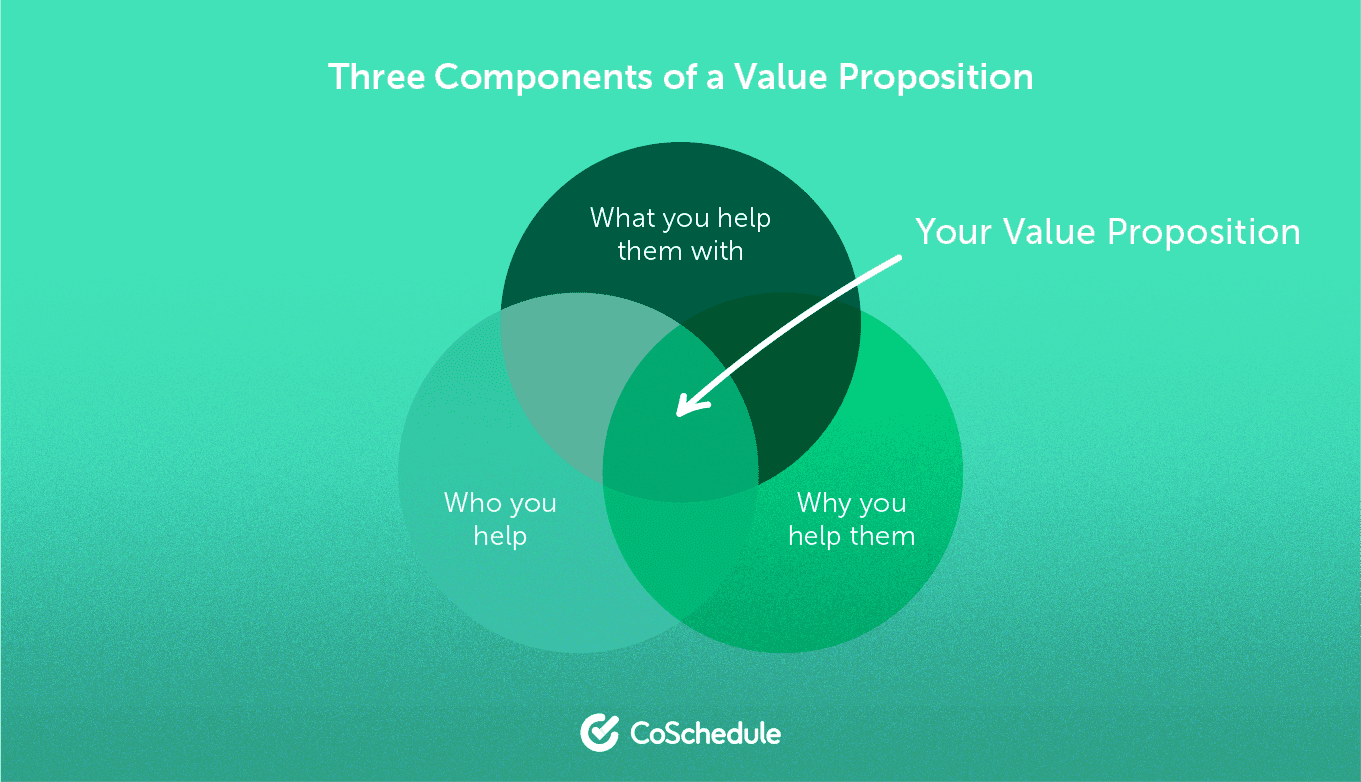
In the end, you might have something like this: "CoSchedule is a family of agile marketing products that will help you stay focused, deliver projects on time, and make your team happy.”
4. Core brand pillars with supporting points beneath each
By this point, your brand messaging framework is just a concept. It’s wise to go one step further and think about how this actually relates to your product using concrete examples.
We can do this with brand pillars — three features or benefits of your product/service that your competitors don’t always do well (AKA yourselling points). Below each, give examples explaining how you do them.
Here’s what that looks like for CoSchedule:
- Publish more content: Eliminate endless email threads with one central marketing tool — which helps desk drop-bys complete 125% more work. You can use that time to publish more content.
- Deliver work on time: Our agile marketing processes balance the predictability and flexibility of your work. This helps marketing teams deliver on-time (and plan around things if they’re not expected to meet the deadline).
- Prove your team’s value: The software allows you to prioritize, plan, and manage a reliable pipeline of upcoming and in-flight projects. This helps prove the value of your marketing team and understand where they excel.
How to implement your new messaging framework
Everyone creating content that will be visible to external audiences (including customers) should look at the framework before publishing — especially freelancers.
How can you manage that process when you’re working with a large team?
You can make it standard practice to use your brand messaging framework before creating any content by following these simple steps.
Recommended Reading: Starbucks Marketing Strategy: How to Create a Remarkable Brand
Share it with the team
The first step to making sure your brand messaging framework is being used is to store it properly. You want to make sure that everyone has access to it. Otherwise, there isn’t much purpose in creating one.
The first step to making sure your brand messaging framework is being used is to store it properly.
Click To TweetCreate a file in your asset management library called “Branding,” and include everything brand-related, such as your:
- Brand messaging framework
- Brand voice guidelines
- Brand positioning strategy
Send a company-wide email containing the link to view it, including any subcontractors or temporary staff you’re working with.
It will help them understand your brand, the products you offer, and the messaging they should use — allowing you to stay consistent.
Don’t forget to share this with any new hires you bring on in the future, too. Add a link to the brand folder in their onboarding sequence and make sure they read it before writing anything, especially if it’s for external use.
Use it to guide your marketing strategy
Your brand framework tells you why you’re doing what you’re doing.
It’s a great foundation for any marketing campaigns you’re planning. Why? Because by knowing who (and why) you’re targeting, you can determine the best channels and formats to reach them — and craft specific messaging for each.
For example, your brand messaging explains that you help businesses get paid on time, push content about how to get paid, or landing pages on how your tool does this.
You can push that messaging on platforms your target customer is using. They’ll relate to it, which will boost your chances of them clicking through and becoming a customer.
Refer to it when writing copy
You should add the framework to your process documents and make sure that it’s amongst the first steps for anyone to take when writing anything.
The motto should be, “Before writing a single piece of content, always refer to the framework.”
It isn’t just copywriters that should follow the brand messaging framework. Everyone should refer to it, including:
- Social media executives
- PPC experts
- Email copywriters
Every message that external audiences will read should’ve passed through the messaging framework. If it doesn’t match your mission, tagline, nor incorporate at least one of your brand pillars, think twice about publishing it.
Start your own brand messaging framework
There’s no doubt that a brand messaging framework makes your entire brand more consistent.
There’s no doubt that a brand messaging framework makes your entire brand more consistent.
Click To TweetYou’re using the same messaging across several platforms and clearly communicating why you’re the best option for a customer.
Follow the 4-step guide to creating your own, then start bedding your framework into process documents. You’ll soon see the rewards first-hand.
Recommended Reading: Messaging Matrix: How to Keep Brand Messaging Aligned (Template)